Lufthansa — Rethinking Inflight Entertainment

Lufthansa — Rethinking Inflight Entertainment

ROLE

Product Des.

Sen. UID

YEAR

2025 - 2026

Sen. UID

CLIENT

Lufthansa AG

UI DESIGN

Design System

OVERVIEW

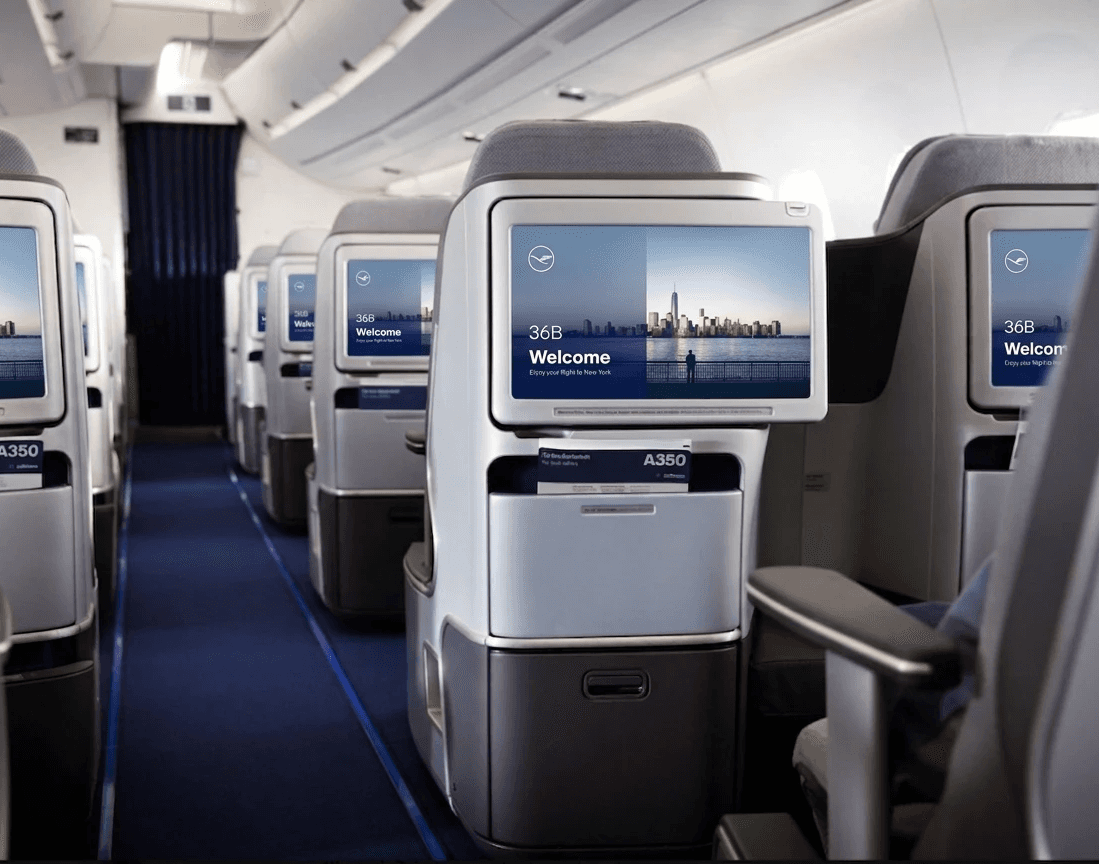
Lufthansa set out to overhaul the in-flight entertainment experience across its long-haul fleet. The goal: create a unified, reliable system that looks and feels consistent on every aircraft and in every cabin.

I translated passenger feedback and needs into a unified UI foundation applied to every touchpoint. This foundation enabled a scalable design system, ensuring consistency and reliability across all screens, devices, and classes in the long-haul fleet.
The Challenge

Screens That Didn’t Play Well Together

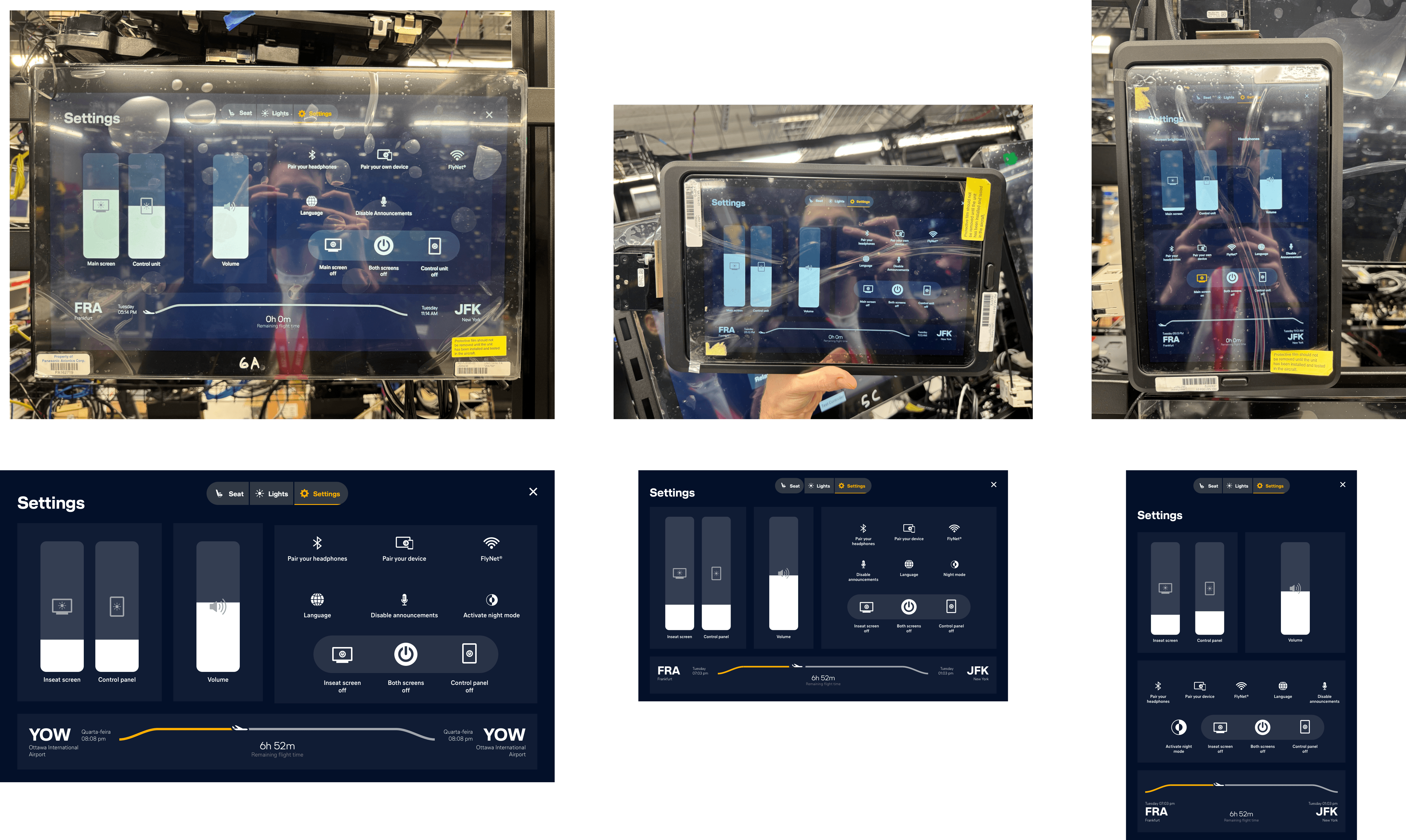
Over the years, Lufthansa’s in-flight entertainment system had become a patchwork. As passenger needs and expectations evolved, the system struggled to keep up. Although the same features were available everywhere, differences in design and interaction created an inconsistent experience across aircraft, cabin classes, and screens. This highlighted the need for a unified approach to ensure a seamless, reliable journey for every passenger on every flight.

A Clear Opportunity

Unify everything into one consistent, reliable system for all passengers and flights. 

Unify everything into one consistent, reliable system for all passengers and flights. 

Unify everything into one consistent, reliable system for all passengers and flights. 

Approach

Turning Insights Into a Better Experience

To address the inconsistent and fragmented passenger experience, we needed a clear and structured approach. That’s why we turned to the Double Diamond framework, which breaks the design process into four phases: Discover, Define, Develop, and Deliver. This method guided the project from initial insights to a scalable solution.

01

Discover

Uncover systemic failure patterns.

User testing showed that inconsistencies in layout and presentation across classes and devices directly affected navigation, orientation, and interaction. As a result, the same features could feel quite different depending on where and how they were used.

01. Discover

Uncover systemic failure patterns.

User testing showed that inconsistencies in layout and presentation across classes and devices directly affected navigation, orientation, and interaction. As a result, the same features could feel quite different depending on where and how they were used.

01. Discover

Discover usability breakdowns

User testing showed that inconsistencies in layout and presentation across classes and devices directly affected navigation, orientation, and interaction. As a result, the same features could feel quite different depending on where and how they were used.

02

Define

Turn understanding into system logic.

Building on the testing insights, we analyzed how inconsistencies affected the entire experience across aircraft, classes, and features. From there, we defined shared UI principles and standards that would simplify and scale the system—setting clear rules for every future design decision.

02. Define

Turn understanding into system logic.

Building on the testing insights, we analyzed how inconsistencies affected the entire experience across aircraft, classes, and features. From there, we defined shared UI principles and standards that would simplify and scale the system—setting clear rules for every future design decision.

02. Define

Turn understanding into system logic.

Building on the testing insights, we analyzed how inconsistencies affected the entire experience across aircraft, classes, and features. From there, we defined shared UI principles and standards that would simplify and scale the system—setting clear rules for every future design decision.

03

Develop

Design scalable patterns

With the new principles defined, we systematically adapted and redesigned every screen across all classes. This ensured a consistent and intuitive experience, no matter which device or cabin passengers used.

03. Develop

Design scalable patterns

With the new principles defined, we systematically adapted and redesigned every screen across all classes. This ensured a consistent and intuitive experience, no matter which device or cabin passengers used.

03. Develop

Design scalable patterns

With the new principles defined, we systematically adapted and redesigned every screen across all classes. This ensured a consistent and intuitive experience, no matter which device or cabin passengers used.

04

Deliver

Enable rollout at scale

The final design was tested and refined with real users in every class at Lufthansa’s innovation lab in Los Angeles. It was then launched and integrated into the design system for consistent rollout across the entire fleet.

04. Deliver

Enable rollout at scale

The final design was tested and refined with real users in every class at Lufthansa’s innovation lab in Los Angeles. It was then launched and integrated into the design system for consistent rollout across the entire fleet.

04. Deliver

Enable rollout at scale

The final design was tested and refined with real users in every class at Lufthansa’s innovation lab in Los Angeles. It was then launched and integrated into the design system for consistent rollout across the entire fleet.

Design

A System Built to Consistency Across Contexts

A System Built to Consistency Across Contexts

With the unified system implemented, four core solutions drove the transformation across the Lufthansa long-haul fleet. Together, they deliver a seamless, reliable experience for every passenger, on every flight:

01 · One System for Every Flight

One foundation across all aircraft and classes. 

One foundation across all aircraft and classes. 

A single design logic underpins every screen and device, regardless of aircraft or class. This foundation ensures that passengers encounter a coherent look and feel at every touchpoint throughout their journey.

02 · Clear Navigation and Interaction Patterns

Consistent Navigation & Interactions 

Consistent Navigation & Interactions 

Navigation structures, interaction elements, and UI behaviors were aligned to create a more intuitive and predictable experience. Passengers can now move through the system naturally, without needing to relearn patterns from screen to screen. For the first time, orientation is reliable across the board.

03 · Simplified Connectivity Onboarding

Connecting passengers beyond the seat. 

Connecting passengers beyond the seat. 

We brought all the connectivity features together into a smoother, more intuitive experience—whether you’re using your own device, onboard services, or sharing a screen. From Wi-Fi access to shared viewing, we worked to remove friction at every step.

04 · Scalable System

Designed to scale beyond launch. 

Designed to scale beyond launch. 

A system built for long-term consistency

The design system is built from modular components that can be quickly adapted, updated, or extended. This approach enables consistent quality and efficient rollout of new features across the entire fleet.

Impact

A Foundation We Can Build On

This redesign delivered what the old system couldn’t: a single, dependable UX foundation that works everywhere—across every aircraft, cabin class, screen size, and interaction context in the Lufthansa long-haul fleet.

For Passengers

A Smoother Journey

A structured lineup entry made the full range easy to understand, reducing early drop-offs before exploration began.

For Product & Engineering

Easier to Grow

A modular design system means lower costs and less hassle down the road. New features and future aircraft can build on what’s already there rather than reinvent the wheel each time.

For the Design System

Built to Last

All the patterns and components are now baked right into the Lufthansa design system, so consistency and quality are built in for every future release.

More Projects

VIEW CASE

IWC Schaffhausen – App Redesign

VIEW

Enter Password to View Case Study